Introduction
Children with ADHD frequently hear messages such as:
- “Pay attention.”
- “Stop forgetting.”
- “Try harder.”
- “Why can’t you sit still?”
Although these comments may seem small, repeated experiences of correction and criticism
can gradually affect how children see themselves.
Over time, children may begin to believe:
- “I’m not good enough.”
- “I’m always wrong.”
- “I can’t do anything right.”
Self-esteem difficulties are common in ADHD because children often experience repeated
challenges in school, social situations, and daily routines.
Understanding Self-Esteem
Self-esteem refers to how children:
- View themselves
- Feel about their abilities
- Understand their strengths and weaknesses
Healthy self-esteem influences:
- Motivation
- Participation
- Emotional wellbeing
- Social confidence
Why ADHD Can Affect Confidence
Children with ADHD may repeatedly experience:
- Academic struggles
- Social difficulties
- Emotional challenges
- Frequent correction
- Comparison with peers
Repeated difficulties may create negative beliefs about themselves.
Signs of Reduced Self-Esteem
Children may:
- Avoid new challenges
- Give up easily
- Become self-critical
- Fear mistakes
- Say:
O “I’m stupid.”
O “I can’t do anything.”
Supporting Positive Self-Esteem
Focus on strengths
Examples:
- Creativity
- Humor
- Kindness
- Curiosity
- Problem-solving
Praise effort rather than perfection
Examples:
“You worked really hard on that.”
Celebrate small successes
Small achievements build confidence.
Reduce shame-based language
Avoid:
❌ “You’re lazy.”
❌ “Why can’t you be like everyone else?”
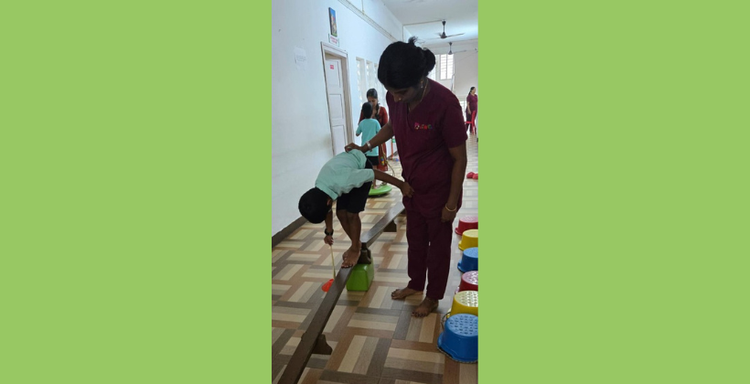
The Role of Occupational Therapy
OT supports:
- Participation
- Independence
- Self-confidence
- Emotional regulation
Meaningful success experiences improve self-esteem naturally.
Final Thoughts
Children with ADHD often need repeated experiences of success and acceptance.
Because confidence develops when children feel valued for who they are rather than
criticized for what they struggle with.