Feeding Therapy
Feeding Therapy in Jumeirah
At Jewel Autism Centre Jumeirah, we provide advanced, evidence-based feeding therapy for children experiencing picky eating, food refusal, and feeding disorders. Feeding is not just about nutrition—it also involves sensory processing, oral motor coordination, behavioral regulation, emotional comfort, and healthy parent-child interaction. Our feeding therapy programs in Jumeirah are carefully designed to address each of these areas through structured, evidence-based strategies. By focusing on individualized care, we help children develop positive eating habits, improve mealtime behavior, and build confidence in trying a wide variety of foods, ensuring meaningful and lasting progress for every family.
It involves:
- Sensory processing
- Oral motor coordination
- Behavioural regulation
- Emotional comfort
- Parent-child interaction

Impact of Untreated Feeding Challenges

When feeding challenges are not addressed early, they can affect a child’s overall development and daily functioning. Poor eating habits may impact growth, brain development, immunity, social participation, and school readiness, making early feeding support essential for a child’s health and learning.
When feeding challenges are not addressed early, they can impact:
- Growth
- Brain development
- Immunity
- Social participation
- School readiness
Goals of Our Feeding Therapy Program
Our multidisciplinary feeding therapy program focuses on helping children build healthier and more confident eating habits. Through structured, evidence-based strategies, we support children in expanding their food choices, improving chewing and swallowing skills, reducing feeding difficulties, and developing safe, independent eating abilities.
Our multidisciplinary feeding therapy program is designed to help children:
✔ Eat a wider variety of foods
✔ Improve chewing & swallowing
✔ Reduce gagging & vomiting
✔ Overcome sensory food aversions
✔ Transition from milk / purees / tube feeding
✔ Develop safe, independent eating skills
Why Feeding Problems Should Never Be Ignored

Many feeding problems are often misunderstood or dismissed as normal picky eating. However, persistent feeding difficulties may be linked to underlying developmental, sensory, or oral motor challenges. Identifying and addressing these issues early can help prevent long-term health, nutrition, and behavioural concerns.
Many parents hear:
- “They’ll grow out of it”
- “He is just a picky eater”
- “Force feeding will fix it”
But feeding challenges are often linked to underlying developmental factors.
Benefits of Early Feeding Intervention
Early feeding intervention helps address eating difficulties before they become more serious. Timely support can prevent issues such as malnutrition, growth delays, behavioural struggles, and stress during family mealtimes, while promoting healthier eating habits and overall child development.
Early intervention can prevent:
- Malnutrition
- Growth delay
- Behavioural struggles
- Family stress during mealtimes

Common Feeding Issues We Treat
Jewel Dubai Feeding Therapy supports children who:

Picky Eating
Eats only 3–5 foods and avoids vegetables / textures, often refusing new foods. These feeding challenges can affect proper nutrition and make mealtimes stressful for both the child and family.

Gagging / Vomiting
Gags when seeing food and vomits certain textures. These reactions can make eating difficult and create anxiety during mealtimes.

Difficulty Transitioning
Stuck on bottle or milk and cannot move to solids. This can delay feeding progress and affect the child’s nutrition and independence.

Sensory Food Aversion
Rejects textures like wet, crunchy, or mixed foods and avoids certain smells. These sensitivities can make mealtimes challenging and limit dietary variety.
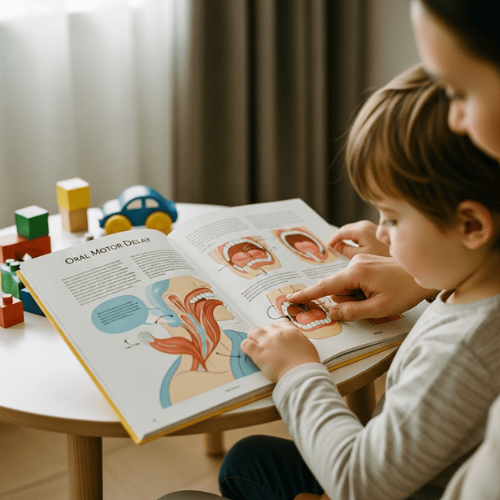
Oral Motor Delay
Cannot chew properly and often holds food in the mouth. This can affect nutrition intake and make mealtimes stressful.

Autism Feeding Challenges
Has a limited diet, engages in ritualistic eating, and shows strong food rigidity, often seen in ARFID (Avoidant Restrictive Food Intake Disorder). Also provides support for tube weaning.
Signs Your Child May Need Feeding Therapy
If your child eats very few foods, cries during meals, takes too long to eat, avoids food groups, has strong preferences, cannot chew age-appropriate foods, or frequently chokes, professional feeding intervention is recommended.
If your child:
✔ Eats less than 10 foods
✔ Cries during meals
✔ Takes more than 30 minutes to eat
✔ Avoids entire food groups
✔ Has strong brand / color food preference
✔ Cannot chew age-appropriate foods
✔ Has frequent choking / coughing
Professional feeding intervention is recommended.

Our Feeding Therapy Approach
Jewel Dubai follows a multidisciplinary clinical model combining:

Occupational Therapy
Improves sensory tolerance, postural stability, and hand-to mouth coordination, helping children eat more comfortably and efficiently.

Oral Motor Therapy
Strengthens jaw control, tongue movement, and lip closure, supporting better chewing and swallowing skills.
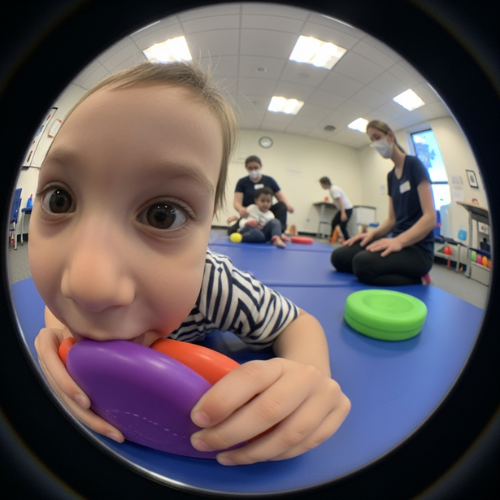
Sensory Integration Therapy
Addresses texture sensitivity, smell aversion, and visual rejection, helping children become more comfortable with a variety of foods.

Behaviour Therapy
Reduces food refusal, mealtime tantrums, and escape behaviours, making mealtimes calmer and more manageable.

Parent Coaching
Parents learn home strategies, mealtime routines, and food introduction techniques to support their child’s feeding progress.
Conditions Associated With Feeding Difficulties
Feeding difficulties often occur in children with sensory processing challenges, developmental delays, or conditions like Autism, ADHD, prematurity, and ARFID, affecting their ability to eat comfortably and safely.
Feeding issues are commonly seen in:
- Autism Spectrum Disorder
- Global Developmental Delay
- Sensory Processing Disorder
- ADHD
- Oral Motor Delay
- Prematurity
- ARFID
What Makes Jewel Dubai Different

Unlike general clinics, our feeding therapy is:
Our feeding therapy is structured, evidence-based, individualized, and multidisciplinary.
- Structured
- Evidence-based
- Individualized
- Multidisciplinary
Delivered by:
Delivered by pediatric OT, feeding specialists, behavior therapists, and sensory integration experts.
- Pediatric Occupational Therapists
- Feeding Specialists
- Behaviour Therapists
- Sensory Integration Experts
Goals Of Feeding Therapy
Feeding therapy focuses on expanding food variety, improving chewing ability, reducing the gag reflex, increasing mealtime independence, building positive food experiences, and reducing family mealtime stress.Our therapy focuses on:
✔ Expanding food variety
✔ Improving chewing ability
✔ Reducing gag reflex
✔ Increasing mealtime independence
✔ Building positive food experiences
✔ Reducing family mealtime stress

Our Step-By-Step Feeding Therapy Process
Clinical Assessment
We evaluate sensory profile, oral motor ability, feeding history, and behavioural patterns to understand each child’s feeding challenges. This helps create an appropriate and effective feeding therapy plan.

Therapy Planning
Customized goals based on child needs.Each therapy plan is designed to support the child’s individual development and feeding progress.

Gradual Food Introduction
Using structured desensitization.
This approach helps children gradually become comfortable with different foods and textures.

Skill Development
Chewing, biting, and swallowing are developed through guided therapy activities.
These skills help children eat safely and manage different food textures.

Parent Training
Home carryover is essential.
Consistent practice at home supports better progress and long-term feeding success.
Benefits Of Early Feeding Intervention
Early feeding intervention supports better nutrition, healthy growth, reduced feeding anxiety, improved social eating, and greater independence in children.
Children who receive therapy early show:
✔ Improved nutrition
✔ Better growth
✔ Reduced feeding anxiety
✔ Improved social eating
✔ Greater independence

Who Needs Feeding Therapy?

Feeding therapy is recommended for toddlers, preschool children, and school-aged children who experience sensory or feeding challenges.
Feeding therapy is recommended for:
- Toddlers
- Preschool children
- School-aged children
Especially for children on a limited diet, with sensory sensitivities, or with developmental delays that affect feeding and food acceptance, helping them gradually develop healthier eating habits and greater mealtime confidence.
Especially those:
- On limited diet
- With sensory sensitivities
- With developmental delays
Gallery