Group Therapy
Build Social Skills and Confidence with Group Therapy in Al Barsha
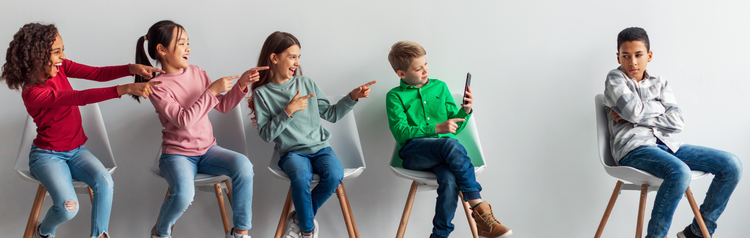
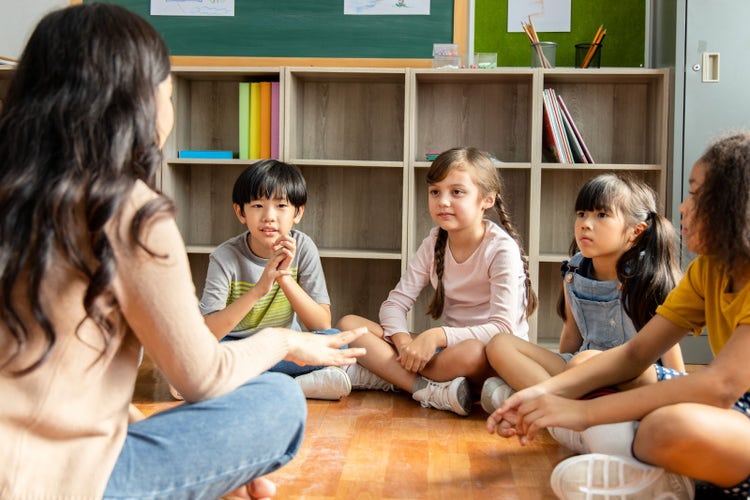
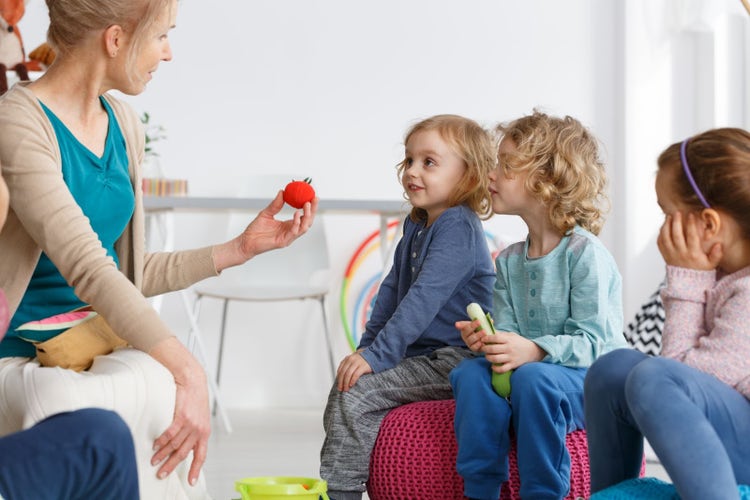
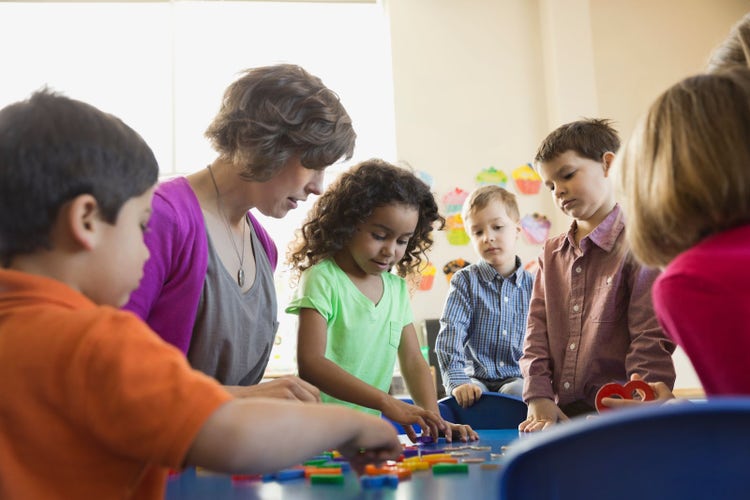
Group Therapy for children with autism in Al Barsha offers a structured and supportive setting where children can build essential social, communication, and emotional skills with peers. Led by experienced therapists, these sessions focus on interactive, play-based, and goal-oriented activities that promote cooperation, confidence, and meaningful social engagement.
Structured Social Skills Groups:
Small, age-appropriate groups focusing on targeted social goals using evidence-based strategies.
Play-Based Group Interventions:
Fun, engaging activities designed to naturally encourage interaction, communication, and learning.
ABA-Based Group Strategies:
Applied Behavior Analysis principles are used to reinforce positive behaviors and reduce challenges within a group setting.
Role-Play & Real-Life Scenarios:
Children practice real-world situations such as classroom behavior, playground interaction, and group routines.
Key Focus Areas in Group Therapy
Group therapy focuses on improving social interaction, communication skills, emotional regulation, cooperative play, and confidence by helping children learn and practice these abilities in a structured peer-based environment.
Social Interaction & Peer Engagement
Children practice greeting, turn-taking, sharing, and maintaining appropriate social behaviors with peers in a natural setting.
Emotional Regulation & Behavior Skills
Children learn to recognize emotions, manage frustration, follow group rules, and respond positively to social cues.
Play, Cooperation & Teamwork
Structured play activities promote cooperation, problem-solving, and understanding group dynamics.
Confidence & Independence
Positive peer experiences help children build self-esteem, adaptability, and independence in social situations.
Oral Placement Therapy for Children with Multiple Conditions
This therapy supports children with diverse developmental and speech challenges by strengthening foundational oral motor abilities.
Social Interaction Skills
Group therapy helps children learn turn-taking, sharing, and appropriate peer interactions in a structured and supportive setting.
Communication & Language Development
Children are encouraged to express needs, understand others, and use functional language through guided group activities.
Emotional Regulation & Behavior
Therapy supports children in recognizing emotions, following group rules, and managing behaviors in social situations.
Cooperation & Teamwork
Group activities promote teamwork, problem-solving, and cooperative play, building confidence and social readiness.
Benefits of Group Therapy for Children with Autism
Group therapy helps children with autism build social skills, improve communication, develop emotional regulation, and gain confidence by learning and practicing these abilities in a supportive peer environment.
- Improves social understanding and peer relationships
- Enhances communication and language use in real settings
- Encourages teamwork and cooperative play
- Builds emotional awareness and self-control
- Prepares children for school and community environments
Group therapy is beneficial for children with:
- Autism Spectrum Disorder (ASD)
- Social communication challenges
- Difficulty with peer interaction
- Emotional or behavioral regulation difficulties
- Transition readiness for school or inclusive settings
Gallery
Frequently Asked Questions
This FAQ section is designed to guide you through essential information and address your most important queries.