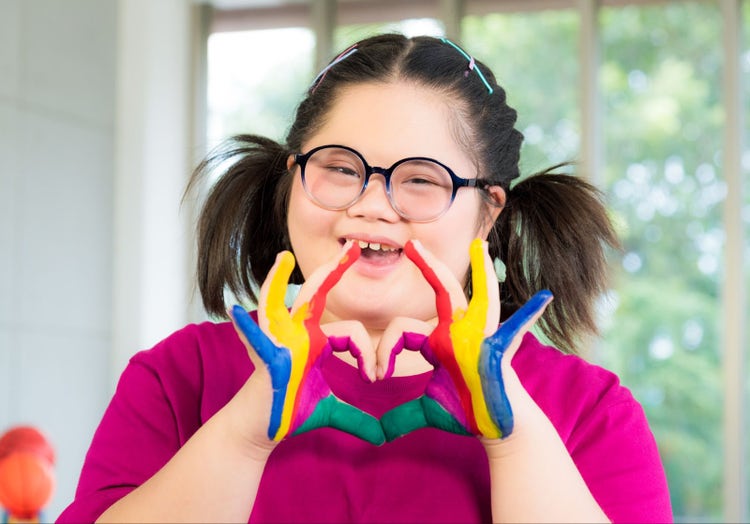
Oral Placement Therapy
Oral Placement Therapy in Business Bay – Enhancing Speech & Feeding Skills in Children
At Jewel Autism Centre Business Bay, our Oral Placement Therapy (OPT) program offers specialized, evidence-based support for children with speech and feeding difficulties. We help improve oral motor skills, articulation, and safe swallowing for better communication and eating independence.
- Speech clarity
- Sound production
- Oral motor weakness
- Feeding difficulties
- Drooling
- Apraxia of speech
- Autism-related speech delays
We are among the few advanced therapy centres in UAE offering structured Oral Motor Intervention integrated with Speech Therapy for faster and functional communication outcomes.
Why Oral Placement Therapy is Critical for Speech Development
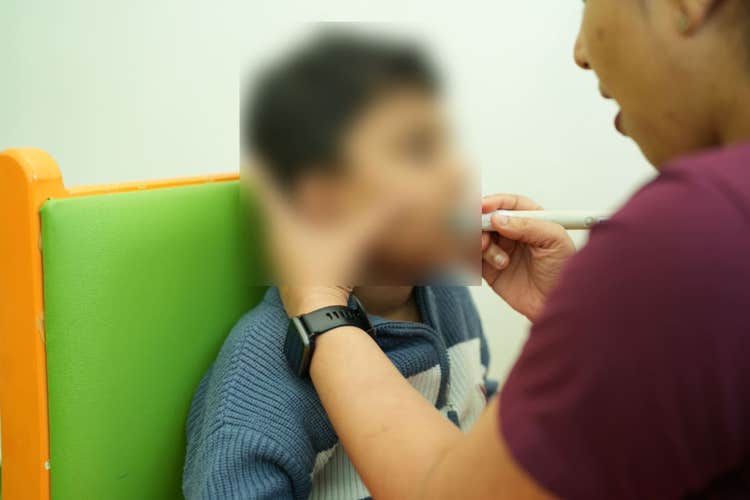
Many children who cannot pronounce sounds, speak unclearly, have weak jaw or tongue control, avoid solid foods, drool excessively, or cannot imitate speech may be experiencing underlying oral-motor or developmental challenges rather than just a simple language delay.
Many children who:
✔ Cannot pronounce sounds
✔ Speak unclearly
✔ Have weak jaw / tongue control
✔ Avoid solid foods
✔ Drool excessively
✔ Cannot imitate speech
…do not just have a “language delay”.
Signs Your Child May Need Oral Motor Therapy
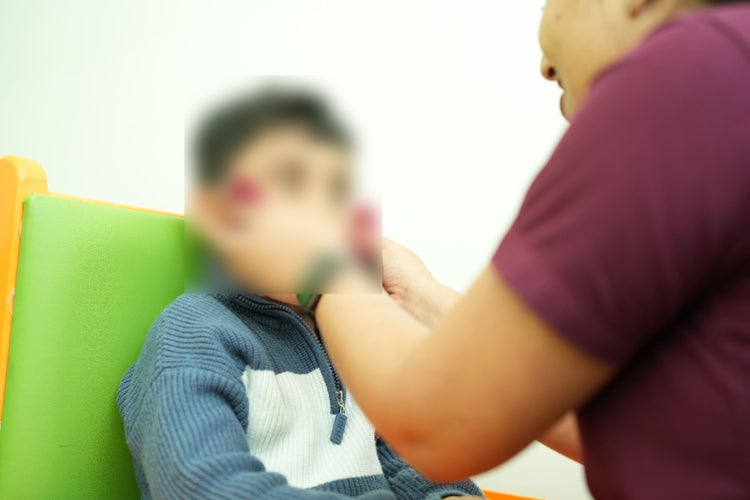
Conditions Treated Using Oral Placement Therapy
At Jewel Dubai, our OPT program supports children with:

Speech Disorders
Childhood Apraxia of Speech, Speech Sound Disorders, poor articulation, and limited sound repertoire can affect a child’s ability to produce clear and accurate speech sounds. These challenges may require specialized oral motor support to improve speech clarity.

Feeding Challenges
Difficulty chewing, difficulty swallowing, texture aversion, pocketing food, and gag reflex sensitivity can affect a child’s ability to eat comfortably and safely. These challenges may require specialized oral motor support to improve feeding skills.
Oral Motor Issues
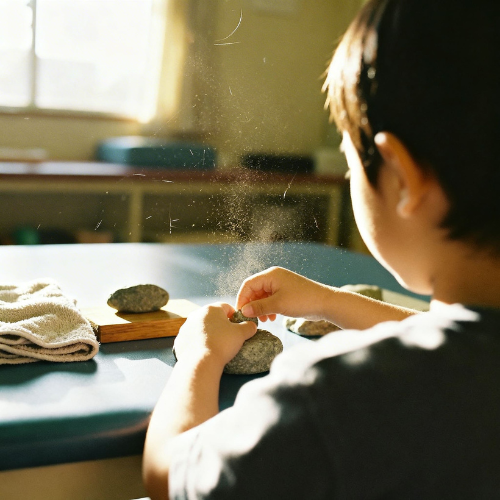
Weak lip closure, tongue thrust, jaw instability, and drooling can affect speech clarity and oral control. These challenges may require targeted oral motor therapy to strengthen and coordinate the muscles used for speech and feeding.

Autism-related Challenges
Children with autism often struggle with oral sensory processing, motor imitation, and breath control for speech. Oral Placement Therapy directly improves these foundational skills.
How Oral Placement Therapy Works
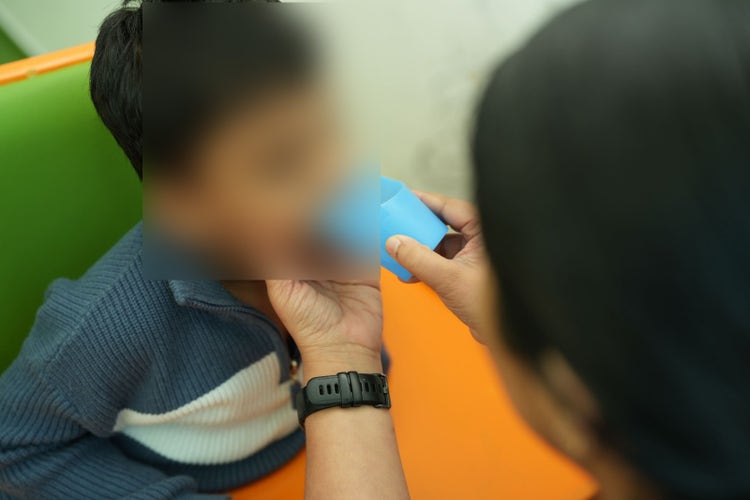
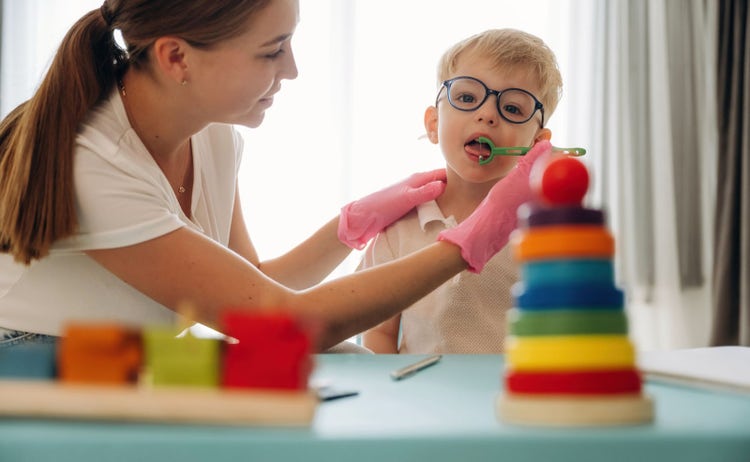
Unlike conventional therapy, OPT focuses on building the physical ability to speak.Unlike conventional therapy, Oral Placement Therapy focuses on building the physical ability to speak by improving jaw stability, lip strength, tongue coordination, breath support, and sensory awareness.
We use structured techniques to improve:
- Jaw stability
- Lip strength
- Tongue coordination
- Breath support
- Sensory awareness
Skills Children Learn Through Oral Placement Therapy
Through carefully guided exercises, children learn how to position lips, control the tongue, produce sounds correctly, and chew and swallow safely.
Through carefully guided exercises, children learn:
✔ How to position lips
✔ How to control the tongue
✔ How to produce sounds correctly
✔ How to chew & swallow safely
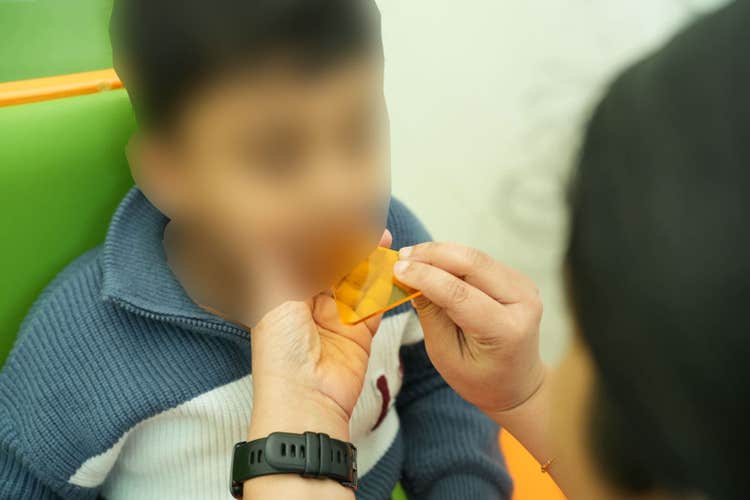
Integrated Therapy Approach at Jewel Business Bay
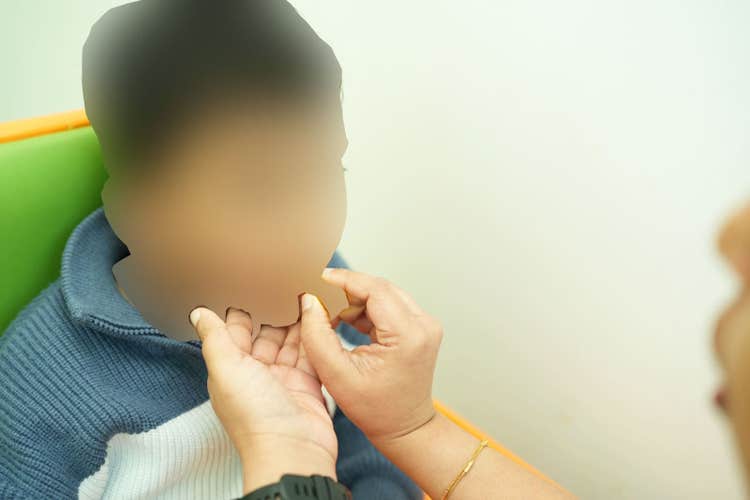
Our Oral Placement Therapy is integrated with Speech Therapy, Feeding Therapy, Occupational Therapy, and Sensory Integration to support overall speech and feeding development.We do not treat speech in isolation.
Our Oral Placement Therapy is integrated with:
- Speech Therapy
- Feeding Therapy
- Occupational Therapy
- Sensory Integration
Benefits of Our Multidisciplinary Therapy Approach
This multidisciplinary approach ensures faster progress, functional communication, and long-term outcomes, making it one of the key reasons parents across UAE trust Jewel.
This ensures:
- Faster progress
- Functional communication
- Long-term outcomes
This multidisciplinary model is one of the key reasons parents across UAE trust Jewel.
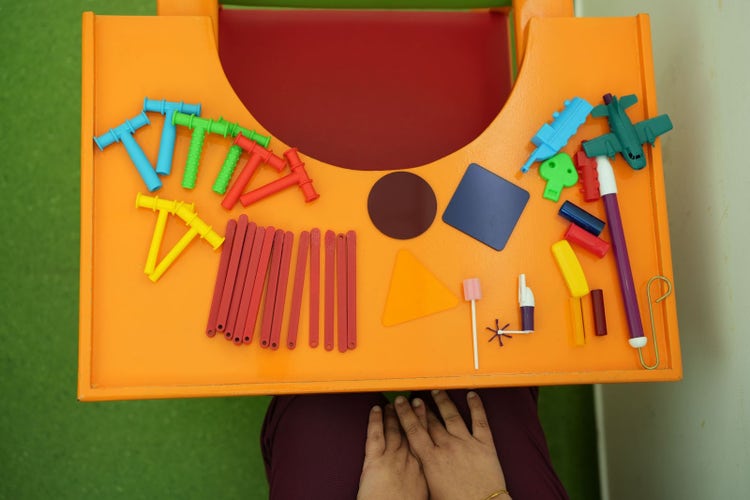
Signs Your Child May Need Oral Placement Therapy

Children who struggle to say clear words, avoid textured foods, drool frequently, cannot blow, suck, or chew effectively, have unclear speech despite therapy, or have autism with limited sound production may benefit from early intervention, which can significantly improve speech outcomes.
Your child may benefit if they:
- Struggle to say clear words
- Avoid textured foods
- Drool frequently
- Cannot blow, suck, chew effectively
- Have unclear speech despite therapy
- Have autism with limited sound production
Early intervention significantly improves speech outcomes.
Benefits of Oral Placement Therapy
Children undergoing Oral Placement Therapy may show improvements in speech clarity, sound production, feeding skills, oral strength, breath control, and communication confidence. Many children also begin producing sounds that were previously difficult or impossible after structured therapy.
Children undergoing OPT may show improvements in:
✔ Speech clarity
✔ Sound production
✔ Feeding skills
✔ Oral strength
✔ Breath control
✔ Communication confidence
Many children begin producing previously impossible sounds after structured OPT.
Why Choose Jewel Autism Centre in Business Bay – Expert Autism Care & Therapy for Children
Jewel is one of the most trusted child development centres in the UAE, known for its evidence-based therapy, multidisciplinary approach, individualized plans, and child-friendly environment focused on meaningful communication.Jewel stands as one of the most trusted child development centres in UAE.
Parents choose us because of:
- Evidence-based therapy approach
- Integrated multidisciplinary model
- Individualized therapy plans
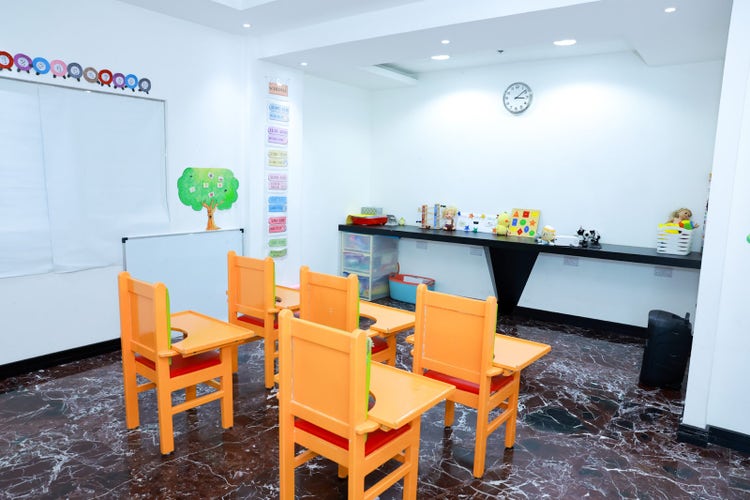
- Child-friendly therapy environment
- Functional outcome focus
Our goal is not just speech — but meaningful communication.
Who Can Benefit
Oral Placement Therapy is beneficial for children with autism, speech delay, apraxia, feeding issues, and developmental delay.
OPT is beneficial for children with:
- Autism
- Speech Delay
- Apraxia
- Feeding Issues
- Developmental Delay

Parent-Centered Therapy
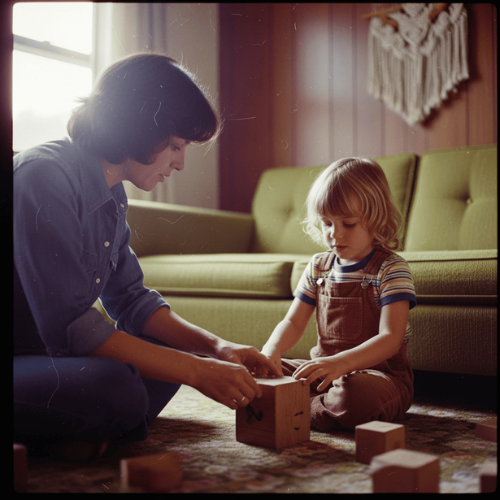
We ensure parents are actively involved through home program guidance, progress tracking, and skill carryover training, because therapy must continue beyond the clinic.
We ensure parents are actively involved through:
- Home program guidance
- Progress tracking
- Skill carryover training
Because therapy must continue beyond the clinic.
Book an Assessment
If your child is facing speech clarity issues, feeding challenges, or oral motor weakness, early evaluation can make a life-changing difference.
If your child is facing:
- Speech clarity issues
- Feeding challenges
- Oral motor weakness
Early evaluation can make a life-changing difference
Gallery