
School Readiness Group Therapy
Building Early Skills for School Success in Al Quoz
With over 18 years of clinical excellence, Jewel Autism and Child Development Center in Al Quoz offers the leading School Readiness Program for children aged 3–6, including those with autism, ADHD, Down Syndrome, and other developmental challenges. Our evidence-based SRP in Al Quoz bridges the gap between home and KG1, focusing on communication, behavior, and foundational academic skills. Through a structured, multi-disciplinary, and compassionate approach, we prepare your child for a confident transition to school and lifelong learning.
A stepping stone to confident learning:
At Jewel, our Bridge Program smoothly transitions children from home to KG1 through structured routines and skill development, preparing every child for a confident start in school.
Applied Behavior Analysis (ABA):
Evidence-based strategies to shape positive behavior and improve cognitive engagement.
Personalized Curriculum:
Customized learning plans built around your child’s developmental profile, strengths, and needs.
Skill Acquisition Sessions:
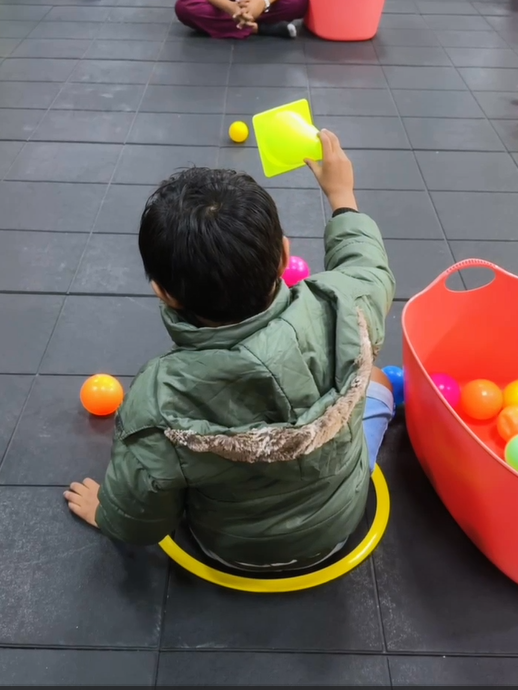
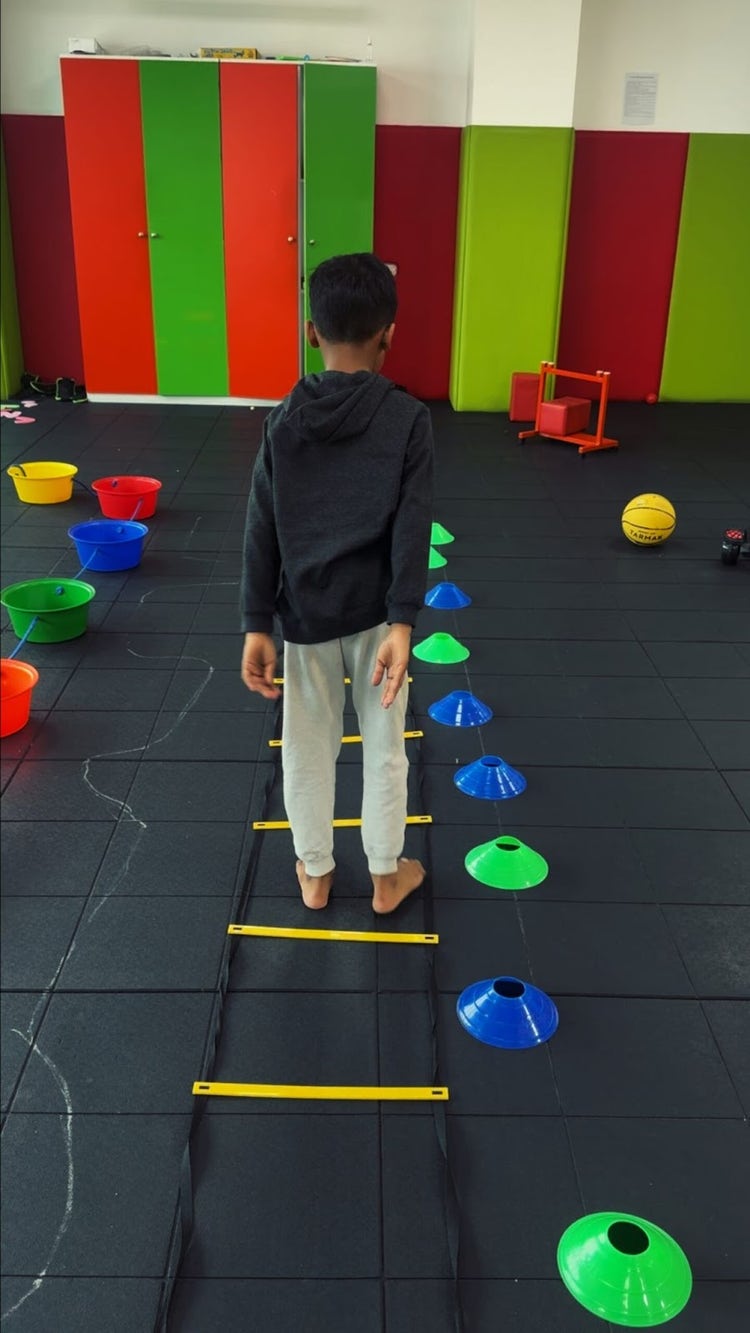
Targeted activities focusing on attention skills, turn-taking, motor development, and group participation.
Multi-Disciplinary Expertise Under One Roof
Our multi-disciplinary expertise under one roof ensures comprehensive, coordinated care by experienced professionals working together to meet every individual’s unique needs:
A holistic approach for every learner
Our team of certified professionals works collaboratively to provide well-rounded support, covering all domains of development essential for school readiness.
Reflex Integration Therapy
Addresses retained primitive reflexes to enhance motor control, learning, and behavior.
Speech and Language Pathology
Support for language delays, articulation, and social communication—key skills for classroom integration.
Occupational Therapy
Improving sitting tolerance, fine motor skills, self-care, and sensory integration for a smooth school transition.
Behavior Therapy
Structured interventions to enhance attention span, impulse control, and group instruction following.
Social Skills Training
Group sessions that help children navigate peer interaction, cooperation, and emotional regulation.
Tailored for Unique Needs and Diagnoses
Our therapies are carefully customized to address each child’s unique needs, strengths, and specific diagnoses:

Support for Children with ADHD
- Support for Children with ADHD focuses on helping children improve attention, self-control, organization, and emotional regulation in a structured and supportive environment. Through individualized strategies, therapeutic activities, and positive behavior guidance, children learn to manage impulsivity, increase focus, and develop essential life skills. This support also involves parents and caregivers, providing practical tools and guidance to promote consistency at home and school, empowering children to build confidence, resilience, and academic success.
Early Intervention for Down Syndrome
- Early Intervention for Down Syndrome provides timely, individualized support to promote a child’s physical, cognitive, communication, and social development from an early age. Through a combination of therapies such as physiotherapy, occupational therapy, speech therapy, and developmental support, children are encouraged to build essential skills at their own pace. Early intervention also empowers parents with guidance and strategies to support learning and independence, helping children with Down syndrome reach their full potential and actively participate in everyday life.

Helping Children with Language Delays
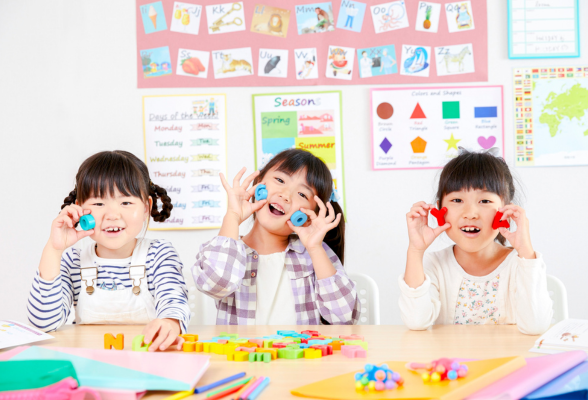
- Helping Children with Language Delays focuses on supporting the development of speech, understanding, and effective communication through individualized, evidence-based strategies. Using engaging activities, play-based techniques, and consistent practice, children are encouraged to express themselves, build vocabulary, and improve comprehension. This support also involves parents and caregivers, providing guidance to reinforce language skills at home and in daily routines, helping children communicate confidently and connect meaningfully with others.
Care for Global Developmental Delay
- Care for Global Developmental Delay provides comprehensive, individualized support to help children who experience delays across multiple areas of development, including motor skills, communication, cognition, and social interaction. Through a coordinated approach involving therapies such as occupational, speech, physiotherapy, and behavioral support, children are guided to develop essential skills at their own pace. Family involvement and early intervention are key components, empowering caregivers with strategies to support progress and enhance the child’s independence, confidence, and quality of life.

Skills Your Child Will Develop
Social Integration with Peers and Staff Children learn to engage with others through group play, circle time, and guided social interaction building confidence, empathy, and teamwork.
- Functional Language and Communication We support verbal and nonverbal communication, helping children express needs, ask questions, and interact effectively in a school setting.
- Self-Care Routines Kids gain independence through toilet training, handwashing, dressing, and feeding—essential life skills for classroom readiness.
- Basic Academic Concepts Foundational learning in letters, numbers, shapes, and colors is introduced through songs, visuals, and hands-on activities.
- Attention and Group Participation Short, engaging tasks help improve focus and follow group instructions, preparing children for classroom routines.
- Play and Turn-Taking Structured and free play sessions teach patience, cooperation, and imagination—crucial for social and emotional development.
- Sitting Tolerance and Following Directions We build tolerance for sitting and listening using sensory strategies and routines that promote focus and responsiveness.
- Classroom Independence Children practice real-world classroom tasks like organizing belongings, managing snack time, and following schedules on their own.
Gallery
Frequently Asked Questions
This FAQ section is designed to guide you through essential information and address your most important queries.