Sensory Integration Therapy Helping Children Regulate, Focus & Thrive

Why Sensory Integration Therapy is Essential for Children in Burjuman

In today’s fast-paced world, many children face sensory challenges that impact their daily life, learning, and emotional well-being. At Jewel Autism Centre Burjuman, our Sensory Integration Therapy is designed to help children manage sensory overload, hyperactivity, poor attention, emotional meltdowns, clumsiness, body awareness issues, and avoidance of certain textures, sounds, or movements. These difficulties can affect classroom performance, social skills, and self-confidence. Our evidence-based sensory integration techniques help children process sensory input effectively, improve regulation and coordination, and respond to their surroundings in a calmer, more organized way. Early intervention through our therapy supports children in building focus, resilience, and independence at home and in school, making a lasting difference in their daily life in Burjuman.

Advanced Sensory Integration Therapy in Burjuman – Enhancing Regulation, Learning, and Emotional Well-being

In today’s fast-paced world, many children face challenges like sensory overload, poor attention, hyperactivity, emotional outbursts, clumsiness, low body awareness, and avoidance of certain textures, sounds, or movements. Often mistaken for behavioural issues, these are usually sensory processing difficulties. Without early support, they can impact learning, social skills, emotional regulation, and independence. At Jewel Autism Centre in Burjuman, we provide advanced Sensory Integration Therapy, following internationally recognised clinical frameworks to help children process sensory information more effectively, improve self-regulation, and build essential life skills.

What is Sensory Integration?

At Jewel Autism Centre in Dubai, our evidence-based Sensory Integration therapy targets core sensory systems to improve balance, coordination, attention, posture, muscle control, self-regulation, and texture tolerance. We work on the Vestibular System to enhance movement and balance, the Proprioceptive System to improve body awareness and emotional calmness, and the Tactile System to increase tolerance for touch, grooming, feeding, and writing tasks. Each program is individualized based on a detailed assessment, ensuring therapy goals match the child’s specific needs.

Understanding Sensory Integration & SPD

Sensory Integration is the brain’s ability to process information from the senses, organize it, and respond appropriately. Children receive sensory input through touch, movement, body awareness, sound, vision, smell, and taste. When this system is disrupted, a child may overreact, underreact, seek excessive stimulation, or avoid daily tasks. This condition is known as Sensory Processing Disorder (SPD).

Signs Your Child May Need Sensory Integration Therapy

At Jewel Autism Centre in the UAE, behaviours like restlessness, sensitivity to sounds, constant jumping, low responsiveness, or excessive movement may signal sensory dysregulation. Over-responsive, under-responsive, or sensory-seeking patterns are not “naughty” behaviours they reflect a child trying to regulate their nervous system. Through structured Sensory Integration Therapy, we help children improve self-regulation and respond more calmly and effectively to their environment.

Recognizing Sensory Dysregulation in Children

Many parents in Dubai ask, “Why is my child always restless?”, “Why does my child hate loud sounds?”, or “Why does my child keep jumping?” These behaviours may indicate sensory dysregulation. Some children are over-responsive, covering their ears, avoiding crowds, crying during grooming, feeling uncomfortable with clothing tags, or fearing swings and slides. Others may be under-responsive, appearing low in energy, not responding to their name, showing poor awareness of danger, or learning motor skills slowly. Some children are sensory-seeking, constantly jumping, spinning, crashing into furniture, chewing objects, or touching everything. These behaviours do not mean the child is “naughty” — they are ways the child tries to regulate their nervous system.

Conditions That Benefit From Sensory Integration Therapy

At Jewel Autism Centre in Dubai, we provide specialized sensory integration therapy for children with Autism Spectrum Disorder, ADHD, Developmental Delay, Dyspraxia, Learning Disabilities, Speech Delay, Emotional Regulation Difficulties, Feeding Challenges, and Fine Motor Delay. Many children with these conditions have sensory processing difficulties that affect behaviour, communication, coordination, and learning. Sensory therapy often becomes the missing link when behaviour therapy alone doesn’t work, speech progress is slow, or learning challenges continue. Our evidence-based approach addresses the root sensory causes, helping children improve focus, emotional control, body awareness, and functional independence.
At JEWEL Dubai, therapy is provided for children diagnosed with Autism Spectrum Disorder, ADHD, developmental delay, dyspraxia, learning disabilities, speech delay, emotional regulation difficulties, feeding challenges, and fine motor delay. Sensory therapy often becomes the missing link when behaviour therapy alone does not bring the expected results, speech progress remains slow, or learning challenges continue despite other interventions. In such situations, addressing the underlying sensory needs can significantly improve a child’s overall development and response to therapy.

Our Clinical Sensory Integration Approach at JEWEL Dubai
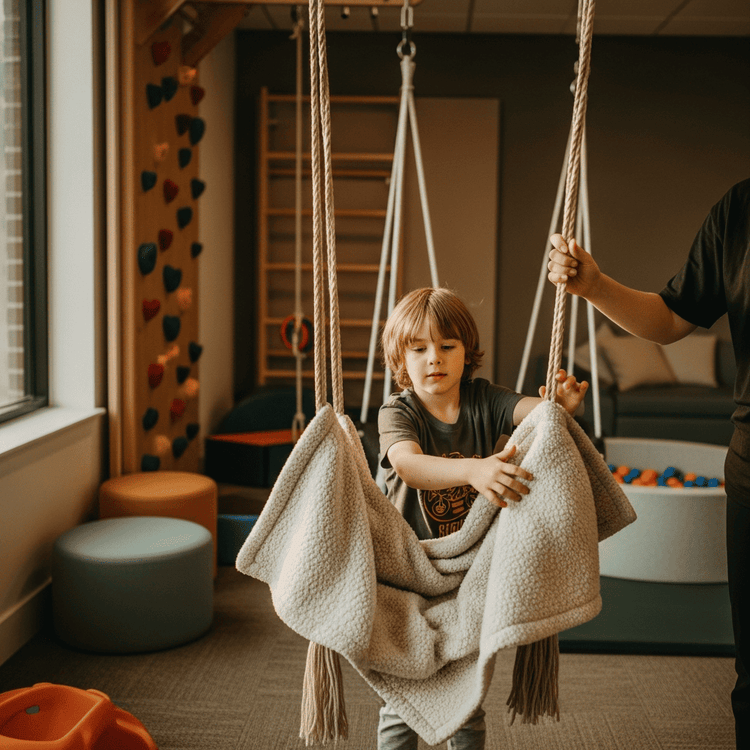
At Jewel Autism Centre in Dubai, our clinical Sensory Integration approach is structured, evidence-based, and delivered by trained professionals. We target key sensory systems to improve balance, coordination, attention, posture, muscle control, self-regulation, emotional calmness, texture tolerance, feeding skills, and writing readiness. This outcome-focused therapy helps children regulate their nervous system, participate confidently in daily routines, and achieve meaningful developmental progress across the UAE.

JEWEL’s Evidence-Based Sensory Integration Therapy

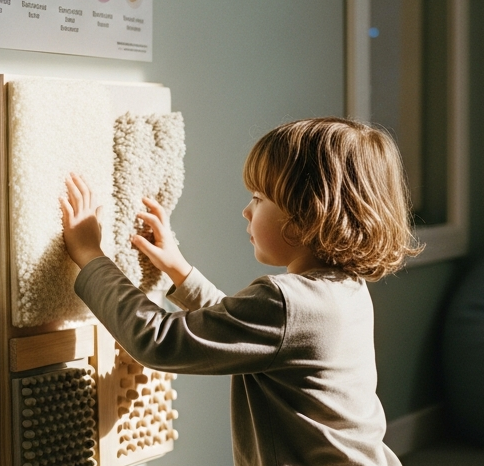
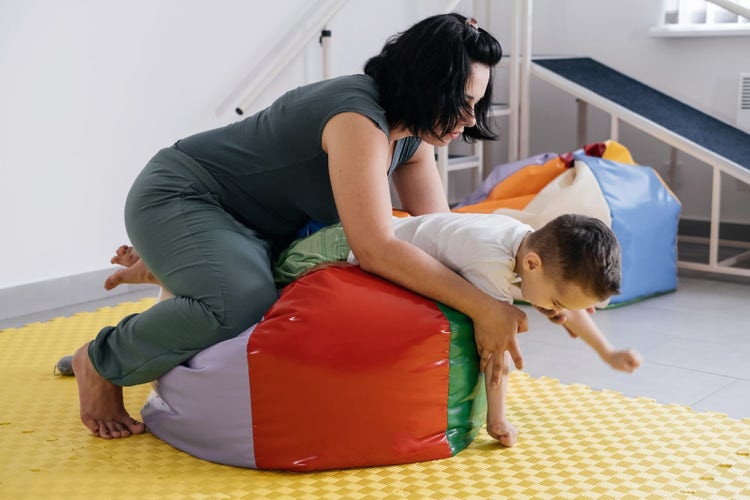
Unlike play-based centres, JEWEL provides evidence-based therapy designed by trained professionals. Our therapy targets the Vestibular System (movement) to improve balance, coordination, attention, and posture. It also focuses on the Proprioceptive System (body awareness) to improve muscle control, self-regulation, and emotional calmness. In addition, the Tactile System (touch) is addressed to improve tolerance to textures, grooming, feeding, and writing readiness.

How Sensory Integration Therapy Improves Behaviour

At Jewel Autism Centre in Dubai, our structured, evidence-based Sensory Integration therapy helps improve balance, coordination, attention, self-regulation, feeding skills, and writing readiness. This focused approach supports children in regulating their nervous system, enabling them to participate more confidently in daily activities across the UAE.Many behavioural challenges are sensory-driven, and when sensory regulation improves, families often notice significant changes such as reduced meltdowns, increased sitting tolerance, improved attention, decreased aggression, and better sleep patterns. As progress becomes visible, parents frequently share encouraging feedback like “My child is calmer,” “My child listens better,” and “My child can sit and learn.”

Our Sensory Gym in Dubai

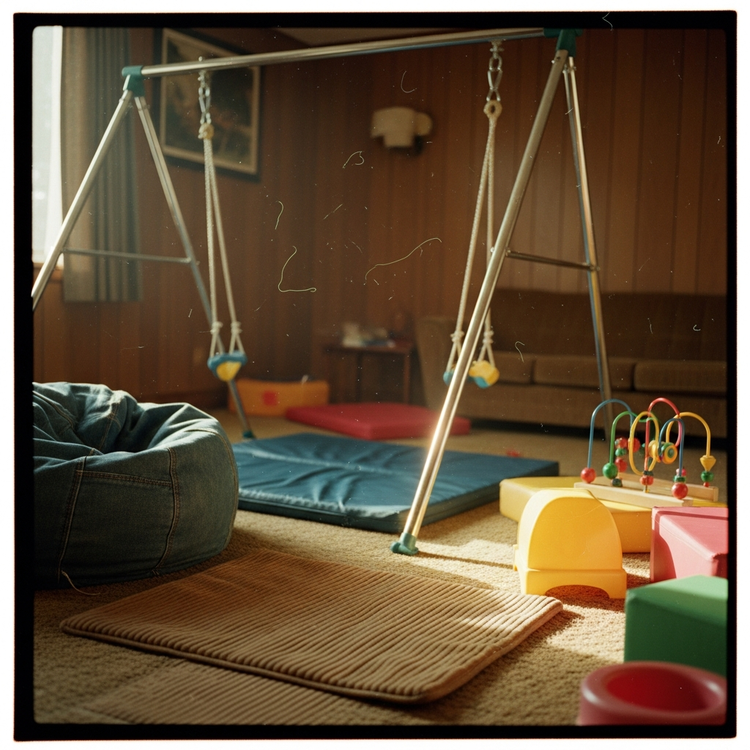
At Jewel Autism Centre in Dubai, we provide a structured sensory environment designed to support regulation and developmental progress. Our therapy space includes specialized equipment such as swings, deep pressure tools, balance systems, tactile play setups, and guided movement pathways to target key sensory systems. Each activity is clinically selected based on the child’s assessment and therapy goals, ensuring sessions improve sensory processing, coordination, body awareness, attention, and emotional stability for better daily functioning.

JEWEL Dubai provides a structured sensory environment including:

  • Swings
  • Deep pressure equipment
  • Balance systems
  • Tactile play setups
  • Movement pathways

Each activity is clinically selected — not random play.

Therapy is Individualised

At Jewel Autism Centre in Dubai, no two children receive the same therapy plan because every child’s sensory needs are unique. We begin by developing a detailed sensory profile to understand how the child processes movement, touch, sound, and body awareness. Based on this assessment, we design a personalized regulation plan that supports emotional balance and functional participation. Clear therapy goals are established to target measurable improvements in behaviour, attention, coordination, and daily skills. In addition, we provide practical parent home strategies to ensure consistency beyond the therapy room. This individualized and structured approach ensures meaningful progress and long-term developmental success.

No two children receive the same plan.

We create:

✔ Sensory profile

✔ Regulation plan

✔ Therapy goals

✔ Parent home strategies

Why Early Sensory Therapy is Critical

At Jewel Autism Centre in Dubai, we believe early Sensory Integration Therapy is vital for a child’s development. It helps improve language skills, behaviour, learning readiness, and social interaction. When sensory processing improves, children can focus, communicate, and participate more effectively in daily activities. Without support, sensory challenges may lead to anxiety, school difficulties, and emotional stress. Through structured, evidence-based therapy, we help children develop emotional balance and essential life skills.

Research shows:

Early sensory regulation supports:

  • Language development
  • Behaviour stability
  • Academic readiness
  • Social interaction

Ignoring sensory issues can lead to:

  • Anxiety
  • School difficulties

Parent Coaching – A Core Strength

At Jewel Autism Centre UAE, sensory integration is at the heart of our therapy approach. Our evidence-based programs help children process and respond to sensory information more effectively, supporting their balance, coordination, emotional regulation, and attention. Through targeted activities and guided exercises, we empower children to develop body awareness, tolerate different textures, and improve everyday skills like feeding, grooming, and writing readiness. By combining professional guidance with parent coaching, we ensure that sensory strategies extend beyond the clinic into home and school environments, helping every child thrive confidently in their daily life.

JEWEL Dubai ensures parents are empowered with:

✔ Home sensory strategies

✔ School readiness plans

✔ Behaviour support tips

How JEWEL Dubai Stands Apart

At Jewel Autism Centre Dubai, we go beyond conventional approaches by addressing the sensory roots of behaviour. While many centres focus solely on behaviour management or generic play, our evidence-based sensory integration programs target the vestibular, proprioceptive, and tactile systems to help children improve balance, coordination, emotional regulation, and body awareness.

In UAE, many centres:

  • Focus only on behaviour
  • Ignore sensory roots
  • Use generic play

Structured Therapy for Lasting Growth

At Jewel Autism Centre UAE, we provide structured sensory integration programs designed to meet each child’s unique needs. Our approach combines clinical planning with goal-based therapy, ensuring that every intervention targets specific sensory challenges such as balance, coordination, body awareness, and tactile tolerance.

JEWEL provides:

✔ Structured sensory integration

✔ Clinical planning

✔ Goal-based therapy
When Should You Seek Sensory Therapy?

At Jewel Autism Centre UAE, our evidence-based sensory therapy identifies underlying challenges and provides targeted strategies to support emotional regulation, motor skills, and daily functioning. Early support not only addresses immediate difficulties but also promotes long-term developmental success.

Consider assessment if your child:

  • Avoids movement
  • Is overly active
  • Has feeding issues
  • Has poor sitting tolerance
  • Shows emotional outbursts

Early support leads to better long-term outcomes.

Sensory Integration & Autism

For children with Autism Spectrum Disorder, improving sensory regulation plays a vital role in overall development. At Jewel Autism Centre in Dubai, Sensory Integration Therapy helps children become calmer and more organized, which supports communication readiness, learning ability, and social participation.

For children with Autism, sensory regulation improves:

✔ Communication readiness

✔ Learning ability

✔ Social participation

Sensory Therapy & ADHD

For children with Attention Deficit Hyperactivity Disorder, sensory therapy can significantly improve daily functioning. At Jewel Autism Centre in Dubai, structured sensory activities help children develop better focus, strengthen impulse control, and improve classroom participation, enabling them to engage more effectively in learning and social environments.

Sensory work enhances:

✔ Focus

✔ Impulse control

✔ Classroom participation

Book a Sensory Assessment

If your child struggles with behaviour, attention, or emotional regulation, sensory processing may be the underlying cause.

JEWEL Dubai provides:

✔ Comprehensive Sensory Assessment

✔ Individual Therapy Plan

✔ Parent Guidance

Frequently Asked Questions

What is Sensory Integration Therapy?
Sensory Integration Therapy (SIT) helps children process and respond to sensory information from their environment. It is designed to improve attention, coordination, behavior, and daily life skills, especially in children with sensory processing challenges.
Who can benefit from Sensory Integration Therapy in BurJuman?
Children with autism, ADHD, developmental delays, or sensory processing disorders can benefit. It is also useful for children facing difficulties in motor coordination, balance, or daily activities.
What are the key goals of the therapy?
The therapy aims to enhance sensory processing, improve motor skills, boost attention and focus, reduce anxiety or behavioral issues, and support independence in everyday tasks.